
The Hidden Danger of Gas Leaks Behind the Wall
A Real Christmas Eve Wake-Up Call
This is one of those stories that still gives us chills—because it could have ended very differently.
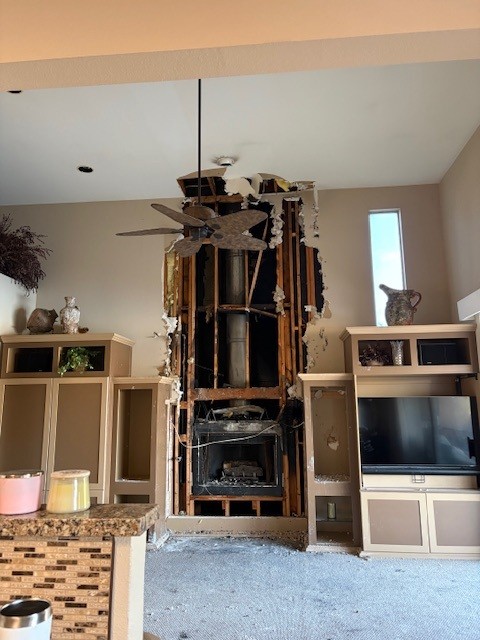
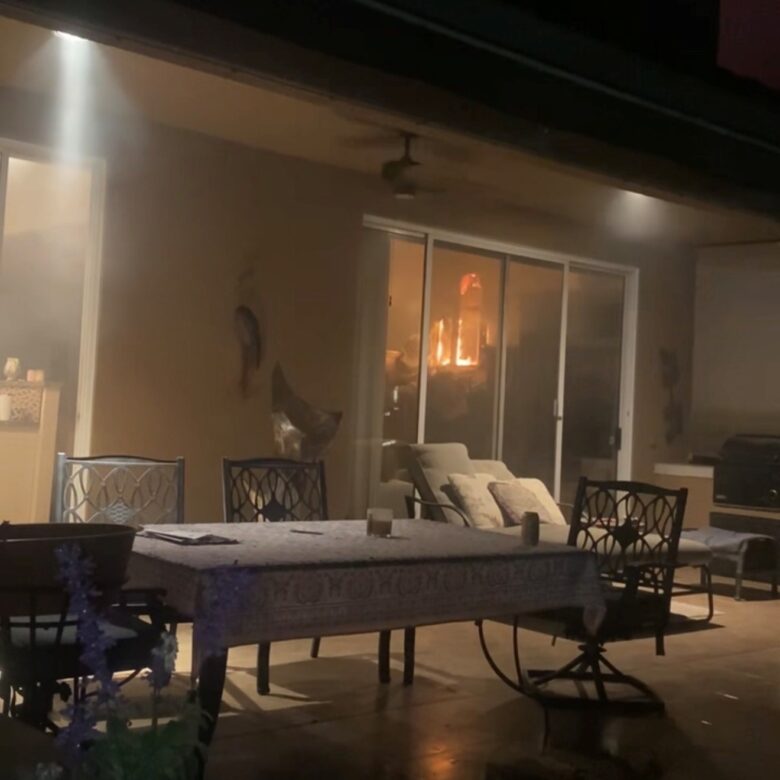
On Christmas Eve, at one of the rental homes managed by Dedicated Property Management, the tenants were enjoying a quiet evening by the fireplace. Everything appeared normal. As the night wound down, they turned the fireplace off and began getting ready for bed. That’s when they noticed a small spark.
Instead of brushing it off, they paused. A few minutes later, they saw another spark. Moments after that, a fire ignited behind the wall.
Had they gone to bed right away, the outcome could have been devastating.
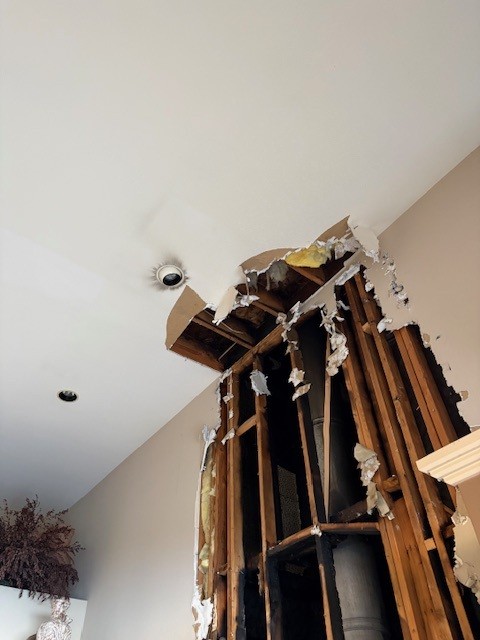
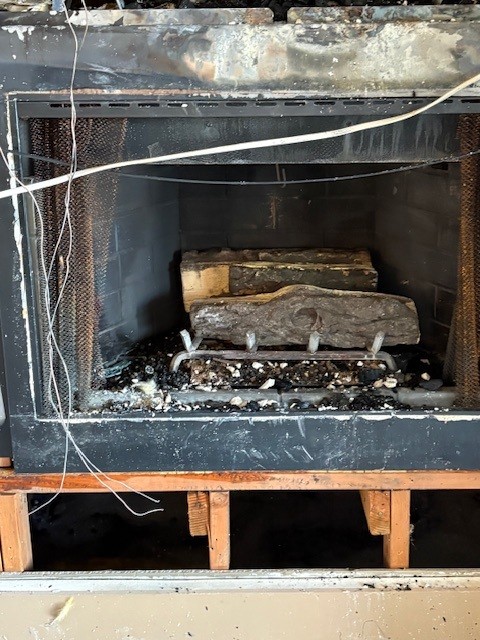
The fire department arrived quickly, opened the wall, and determined the cause: a gas leak hidden behind the wall that had ignited once the fireplace was shut down. Because the tenants were alert and acted quickly, the fire was contained before it could spread further.
As property managers, even on Christmas morning—while most people were home unwrapping gifts—we were onsite. Our priority was ensuring the home was safe, the guests were taken care of and relocated, and everything was properly documented. From there, we began coordinating next steps for remediation and insurance with the homeowner.
This experience is a powerful reminder that some of the most dangerous home issues are the ones you can’t see.
The Hidden Danger of Gas Leaks Behind the Wall
Fireplaces are often associated with warmth, comfort, and gathering—but when something goes wrong, the danger can be severe and unexpected. One of the most alarming scenarios is when a fireplace catches fire due to a gas leak hidden behind the wall.
Unlike visible flames or soot buildup, gas leaks are silent and invisible, making them especially dangerous if they go unnoticed.
How a Hidden Gas Leak Can Cause a Fire
Gas fireplaces rely on sealed gas lines that safely deliver fuel from the source to the unit. Over time, however, those lines can deteriorate. Corrosion, loose fittings, cracked pipes from temperature changes, foundation movement, or accidental damage during renovations can all create small leaks.
When a gas leak occurs behind the wall, gas can slowly accumulate in enclosed spaces. All it takes is a spark—the ignition of the fireplace, a pilot light, or even static electricity—for the gas to ignite. When that happens, the fire may begin inside the wall itself, spreading rapidly before anyone realizes what’s happening.
Fires that start this way can cause serious damage, including compromised framing and drywall, damage to nearby electrical wiring, and smoke or flames traveling through walls and ceilings. Most importantly, they pose a significant safety risk to anyone inside the home.
Why the Warning Signs Are Easy to Miss
Many homeowners assume they would immediately smell a gas leak. While natural gas does have an added odor, small or intermittent leaks behind walls can go undetected—especially in well-ventilated homes.
Other warning signs are often subtle. You might notice fireplace flames that look unusually large or inconsistent, soot or discoloration around the unit, unexplained headaches or dizziness, or faint hissing sounds near the fireplace or adjacent walls. Unfortunately, by the time these signs become obvious, damage may already be occurring.
The Importance of Yearly Fireplace and Gas Inspections
Annual inspections are one of the most effective ways to prevent hidden gas leaks from turning into emergencies. A professional inspection can catch small issues long before they escalate.
During a yearly inspection, technicians typically check gas lines and fittings for leaks, inspect accessible connections behind panels or walls, test pressure levels and ignition systems, verify proper ventilation and airflow, and confirm the fireplace is operating safely and efficiently.
These inspections are especially important for older homes, properties that have undergone recent renovations, rental or vacation homes, and houses that are used seasonally.
Prevention Is Always Safer Than Repair
A fire caused by a hidden gas leak can result in extensive repairs—or worse, serious injury or loss of life. Compared to the potential cost and consequences of a fire, a yearly inspection is a small but essential investment.
Fireplaces should bring peace of mind, not risk. Regular inspections help protect your home, your guests, and your family while ensuring your fireplace operates as safely as possible.
Final Thought
If your fireplace hasn’t been inspected in the past year, now is the time. Problems behind the wall aren’t visible—but with routine inspections, they don’t have to be dangerous.
Ready to Feel That Peace of Mind?
From weekly home-watch visits to full-service concierge care, we offer customizable packages designed around your needs.
Contact us today to learn how we can protect your home—so you can focus on enjoying it.
